
Shoppers are increasingly demanding more information behind the things they buy, so we’re here to bring you the key developments, innovations and events from the businesses leading the way. Welcome to our monthly Transparency Roundup. [separator type="thin"]In the fashion industry and want to learn how transparency can increase sales and drive engagement? Join our webinar in partnership with Common Objective on the 12th of June.[separator type="thin"]
“The fashion of the future is not about the pretty little things, the shoes and handbag and new party dress. It is about weaving truth and values into our clothing.”
- Carry Somers, Founder, Fashion Revolution
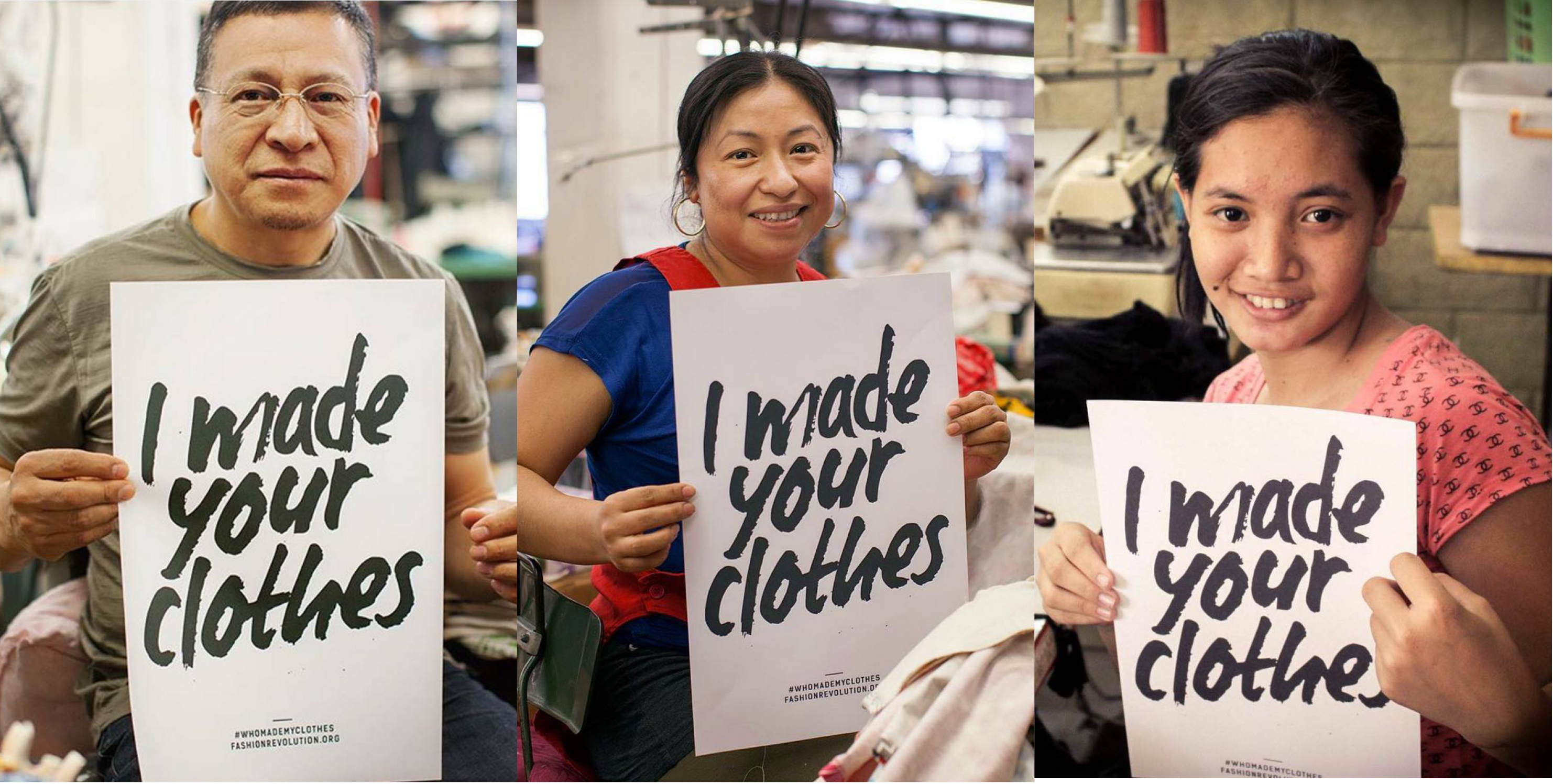
This April, Fashion Revolution Week kicked off with the release of the 2019 Fashion Transparency Index. The report shows a 9% increase in transparency amongst 98 brands reviewed since 2017. Brands are reviewed and scored by the information they share across five key areas:
With an average transparency level of 21% across the 200 brands reviewed and the highest reaching just 64%, the report also demonstrates how much work is still to be done. See how all 200 brands scored here.
Why we find this interesting:
Whilst Adidas, Reebok and Patagonia were top of the index (equal on 64%), the greatest improvement since 2018 came from Dior, Sainsbury’s and Nike. The increase in transparency levels was largely attributed to brands sharing supplier lists for the first time or in greater detail than ever before.[caption id="attachment_5213" align="aligncenter" width="300"]

Image credit: Fashion Revolution[/caption][separator type="thin"]
“If we are not bold, we face the risk of being meaningless, and dead as businesses”
- Emmanuel Faber, CEO Danone
The Sustainable Brands Summit 2019 in Paris (SB Paris) brought 2,000 people together to discuss how businesses can tap into innovation to help change the world for the better. Three key takeaways emerged from the conference, exploring how brands can act as a force for good – for employees, shoppers and the planet:
Why we find this interesting:
Sustainability no longer needs to be seen through the limited lens of ‘corporate social responsibility’. If embraced by the whole business, it is an opportunity to innovate across all business functions. It is a way to build exponential value over the long term, whilst using it to differentiate to customers in the short term. [separator type="thin"]
No Added SugarWith rising skepticism around greenwashing, shoppers want to be able to hold brands accountable to what they say. A commitment to carbon neutrality should not be forgotten by the following year. Claiming slavery-free should be supported by certified labour standards. Sustainable land use should be comparable year on year. Verified claims are a way to do this. They enable you to make a statement and support it with third-party evidence which is then checked by Provenance. Topping this all off, we put it on blockchain – making it permanent, public and non-editable. See how Avallen Spirits are proving ‘no added sugar’ in their newly-launched Calvados.[separator type="thin"]
“Why female founders are tapping female investors for cash” via The Financial Times“Is Blockchain the answer to Fashion Industry Transparency?” Via Tech Acute “What H&M's new transparency scheme can teach food and drink” via The Grocer[separator type="thin"]More interested in the latest transparent products & brands? Join our newsletter.About Provenance’s transparency roundupFrom the UK’s Modern Slavery Act to the rise of startup brands with open price breakdowns, transparency is an important movement affecting marketing, branding, supply chain and core business strategy for consumer goods brands all over the world. As the market leaders in tech-powered transparency, each month the Provenance team selects our picks of the most impactful and insightful news stories.

Provenance powers sustainability claims you can trust. The global leader in sustainability marketing technology, Provenance helps brands and retailers share credible, compelling and fact-checked social and environmental impact information at the point of sale. Provenance’s technology is already increasing conversion rates, brand value and market share for customers including Cult Beauty, Douglas, GANNI, Napolina, Arla and Unilever


%20(1)%20(2).webp)