

The Lujeiri estate in Malawi is the key focus for the projectProvenance is leading Project Trado, the first ever initiative to look at how blockchain could help facilitate trade finance for smallholders. This would incentivise more sustainable and socially just methods of farming. With 70% of the world’s food needs being provided by smallholder farmers, this matters.By looking at the tea supply chain in Malawi there is the potential to establish a model for finance that could apply globally - and ultimately make sustainable farming viable for all smallholders.So what role do smallholders currently play in the tea supply chain?
Tea is the second biggest export out of Malawi (after tobacco), with just under 19,000 hectares dedicated to it nationally. However these only constitute 1.7% of world exports compared to 25% from Kenya. Malawi tea farmers are also some of the poorest, earning on average £1.30 per day, compared to a living wage of £3.70 per day.Each smallholder in Malawi typically owns a ¼ hectare with about 1000 tea plants. After each round of picking, they deliver their green tea leaves to a roadside collection point organised by the Lujeri tea estate, who pay them on a monthly basis. Here it is weighed and taken away for processing. This then moves through the rest of the supply chain that takes it through Malawi, Europe and then to retailers around the world (below).[caption id="attachment_4736" align="aligncenter" width="1024"]
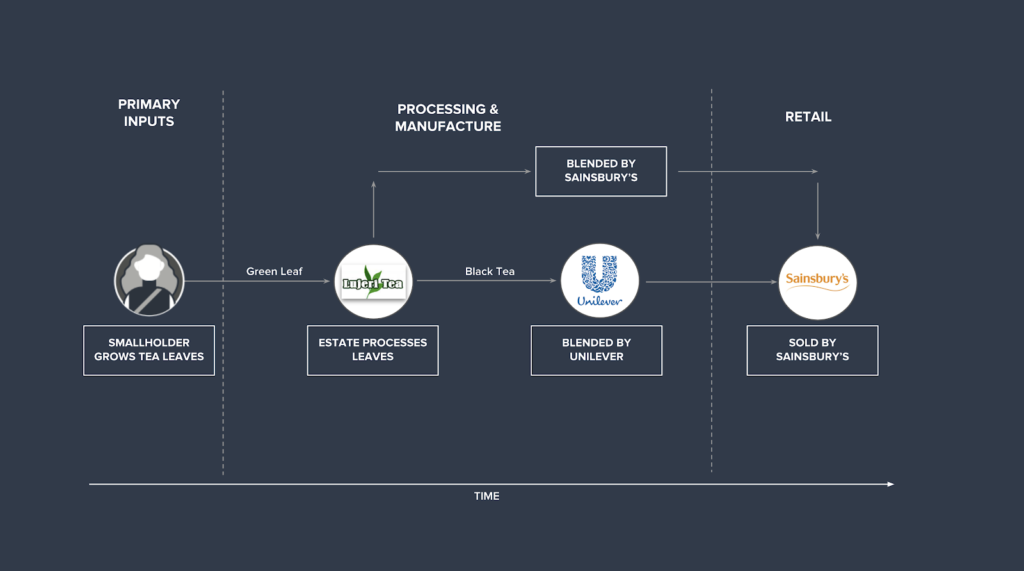
The tea supply chain in Project Trado[/caption]Smallholders are therefore the crucial ‘first mile’ that determines the tea we end up buying in a supermarket aisle thousands of miles away. Yet they currently don’t have the means or incentive to invest in sustainable practices.Why not?
On one level the market conditions lack the stability that would incentivise investment. With green leaf pricing regularly fluctuating and currency inflation, smallholders often can’t predict their future income to justify investments. But the issues extend beyond just price fluctuations.
“Land tenure remains a longstanding issue as historically smallholders haven’t been able to register their land. This has meant a lack of security and a barrier to meeting financing criteria.”
- Thomas Vaassen of Meridia, who are land mapping on the ground.
However, this may soon be changing with a new government act being put in place to formalize land tenure centrally. Another risk is actual farm size. Increasingly farms are being split up due to inheritance which means smaller yields. This is an issue as yield per hectare is already low compared to the larger estates, due to other factors like fertiliser use and replanting practices with superior varieties. Finally climate change has given rise to disruptive weather patterns, fluctuating between flooding and droughts in recent years. Although this can’t be combatted directly, it can be mitigated more effectively through sustainable farming practices.
Although the issues above are varied in nature they all have a singular effect on smallholders; instability. The new trade finance model using blockchain could combat this through two ways.First, it could mean that those who have secured land tenure, and therefore an asset, could be rewarded with finance. This will encourage long term planning on tea farms that in turn could lead to other sustainable practices. This would then result in cyclical investment as farmers are rewarded for good practice.[caption id="attachment_4744" align="aligncenter" width="716"]
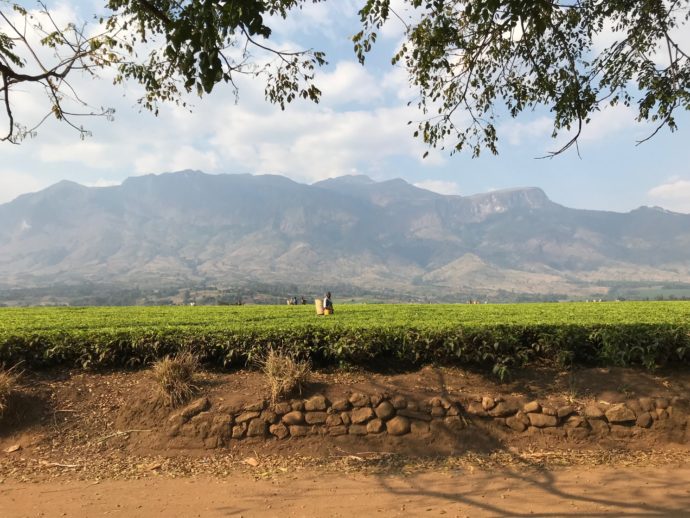
Land tenure remains a barrier to long term planning[/caption]Second, it could mean more investment in education about more sustainable farming practices. This remains one of the key barriers to adopting new techniques as 85% of smallholders are illiterate, according to Lujeiri estate MD Jim Melrose. Having the knowledge to use better varieties or techniques is a route to improved yields and higher prices.
Ultimately being a smallholder farmer can be difficult. Exposed to the fluctuations and price dynamics of a global supply chain there isn’t much protection to one’s livelihood. If Project Trado is successful then this could give a way for farmers and their communities to develop long term stability through access to finance. This could change the value of Malawian tea on world markets and raise wages for the entire industry.Interested in how blockchain can be used to incentivise sustainability in your supply chain? Get in touch with our blockchain experts.

Provenance powers sustainability claims you can trust. The global leader in sustainability marketing technology, Provenance helps brands and retailers share credible, compelling and fact-checked social and environmental impact information at the point of sale. Provenance’s technology is already increasing conversion rates, brand value and market share for customers including Cult Beauty, Douglas, GANNI, Napolina, Arla and Unilever
%20(1)%20(2).webp)